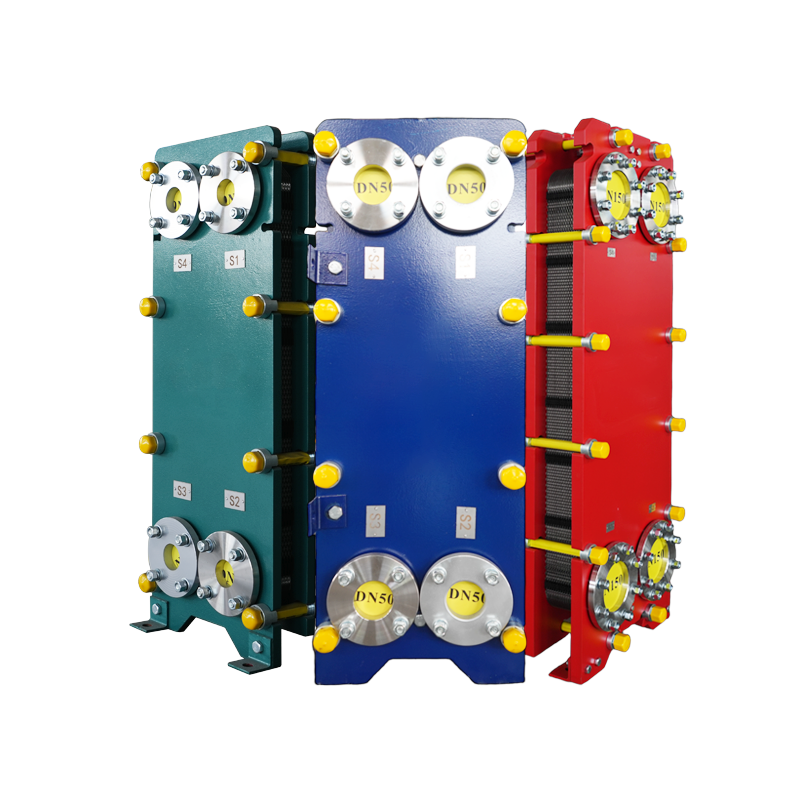
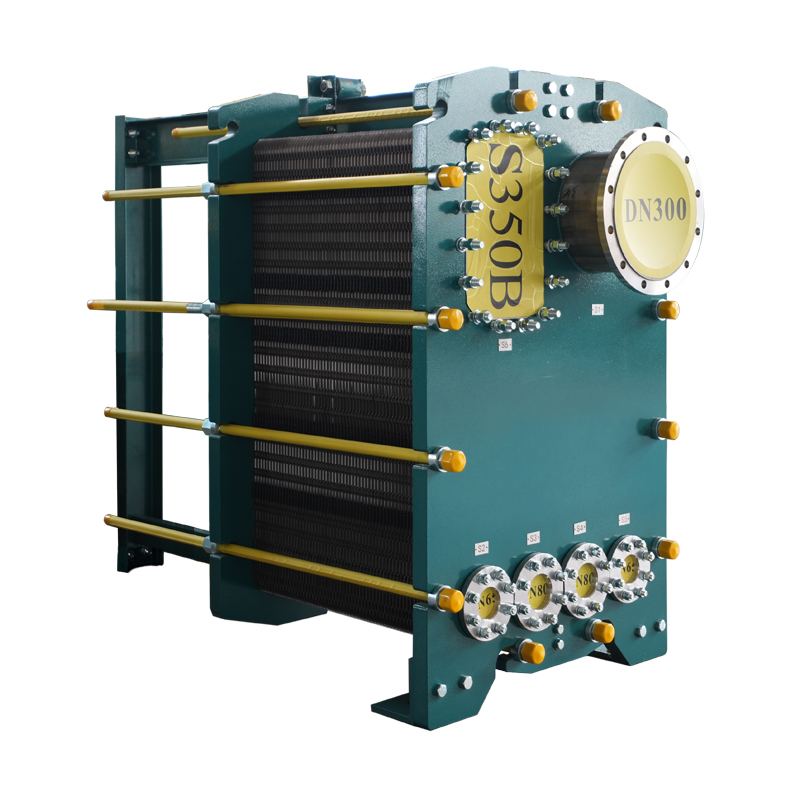
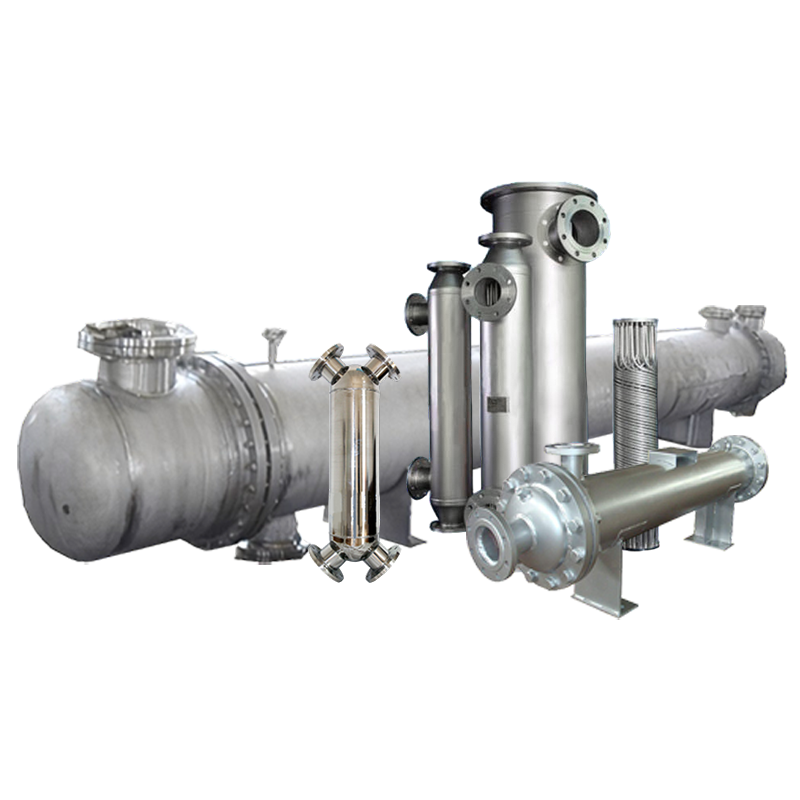
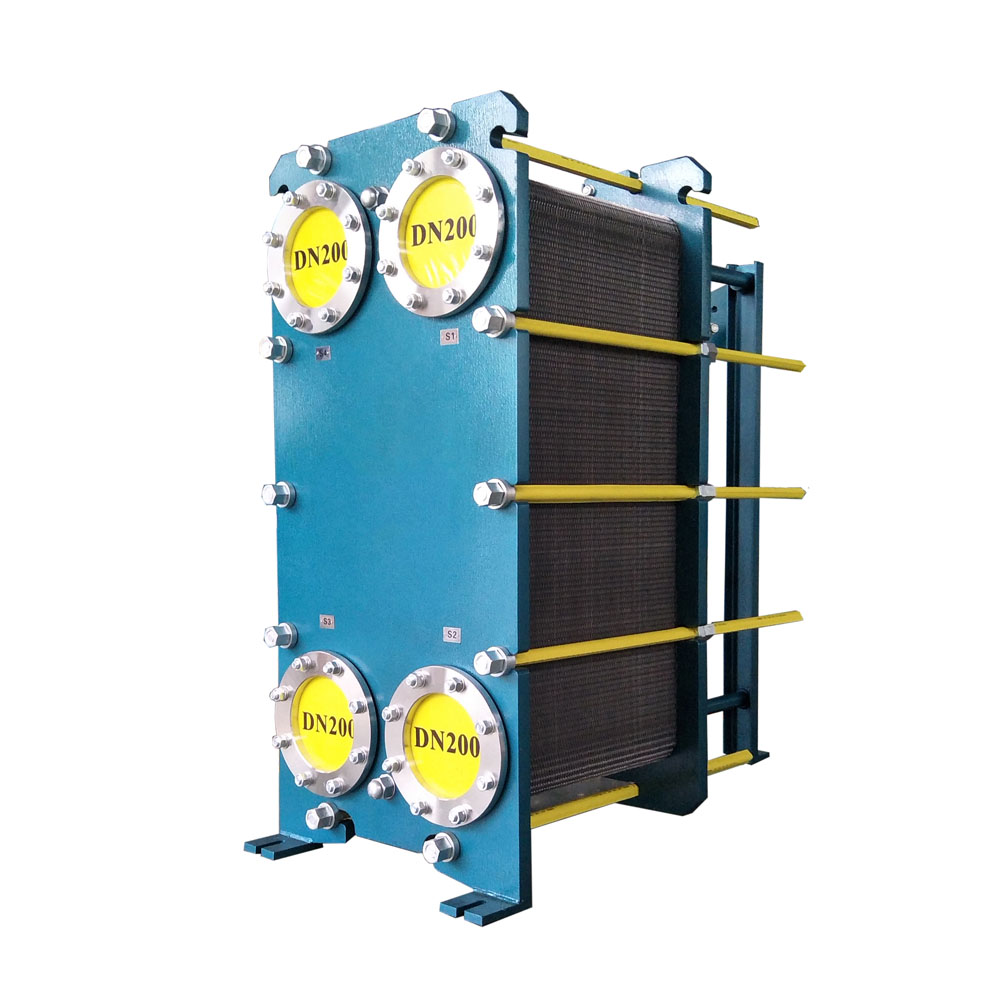
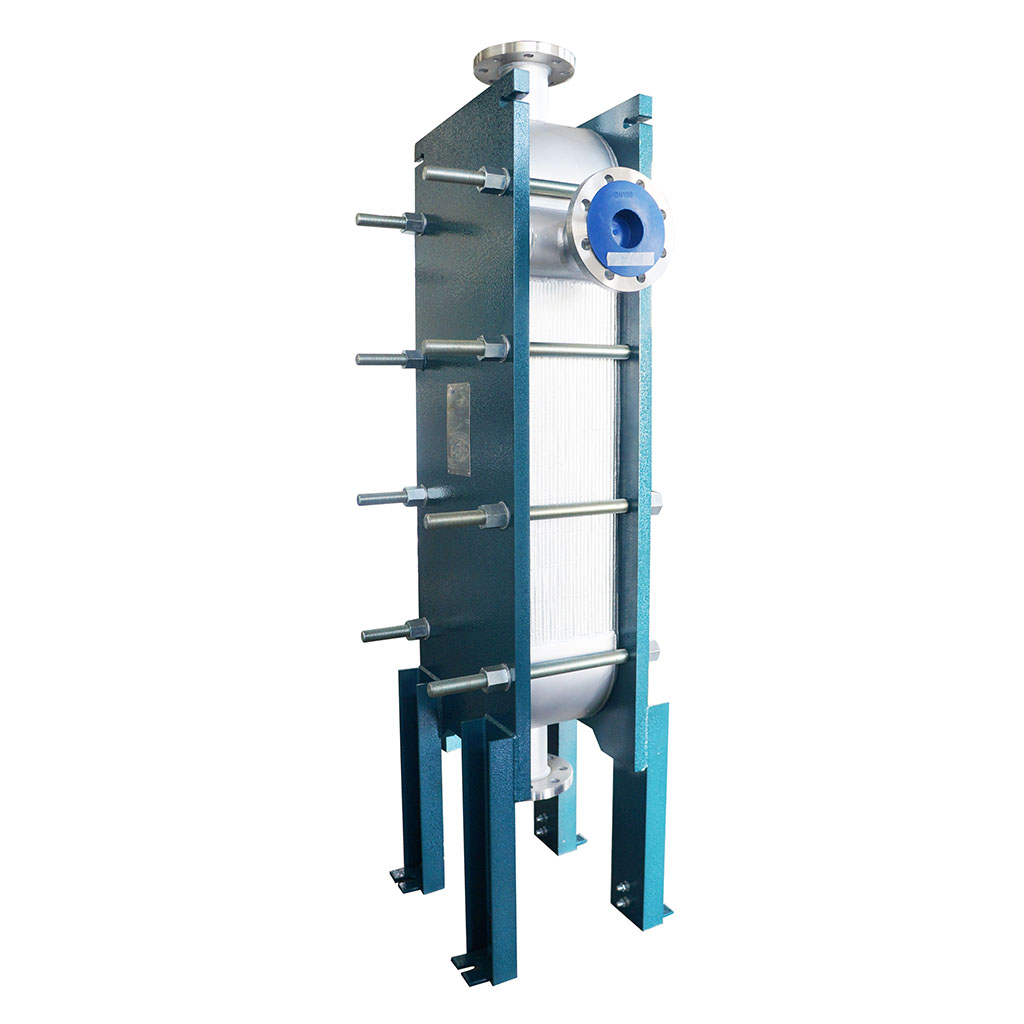
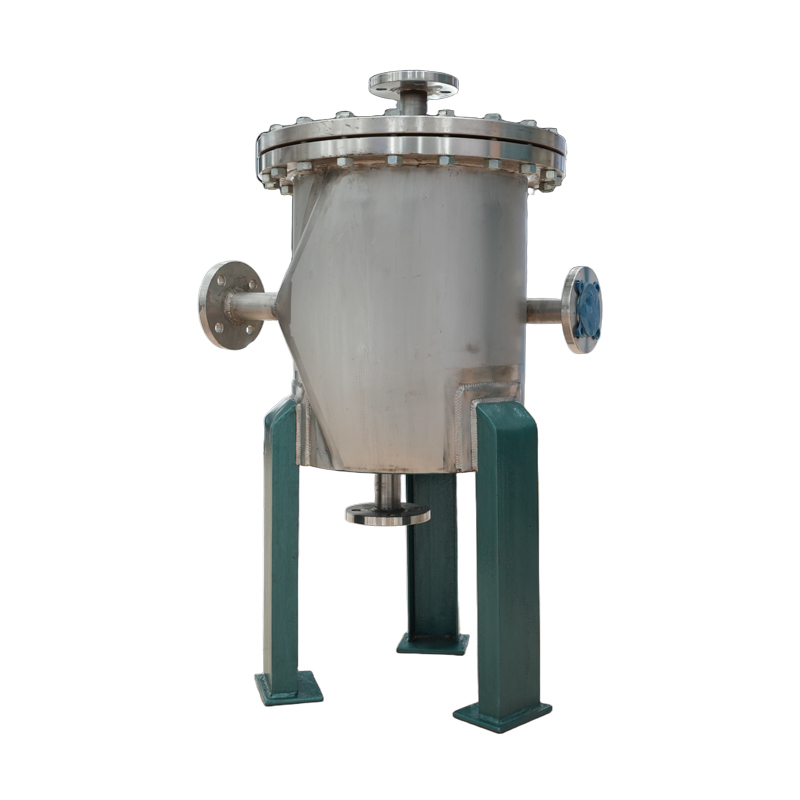






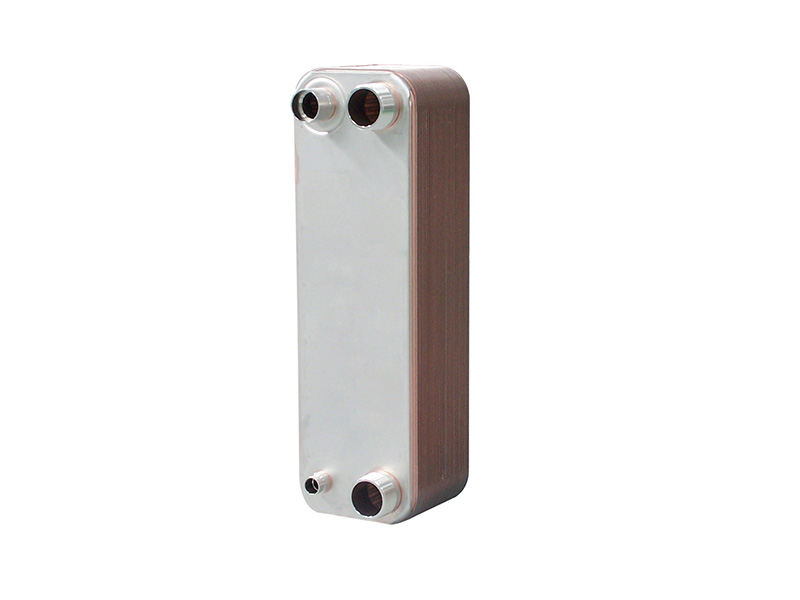
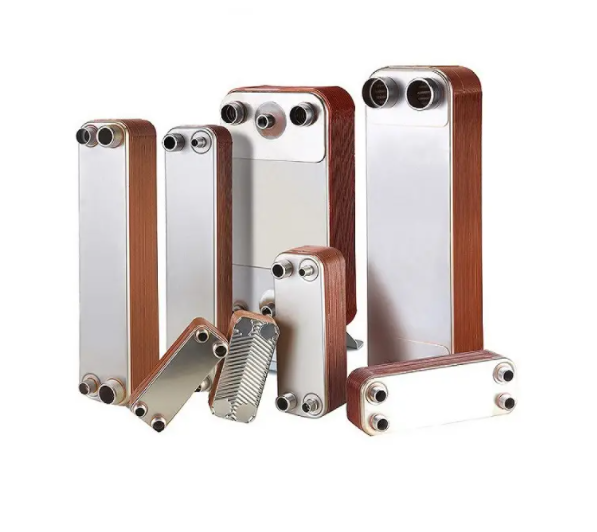
Basic structure of the brazed plate heat exchanger

Basic structure of the brazed plate heat exchanger

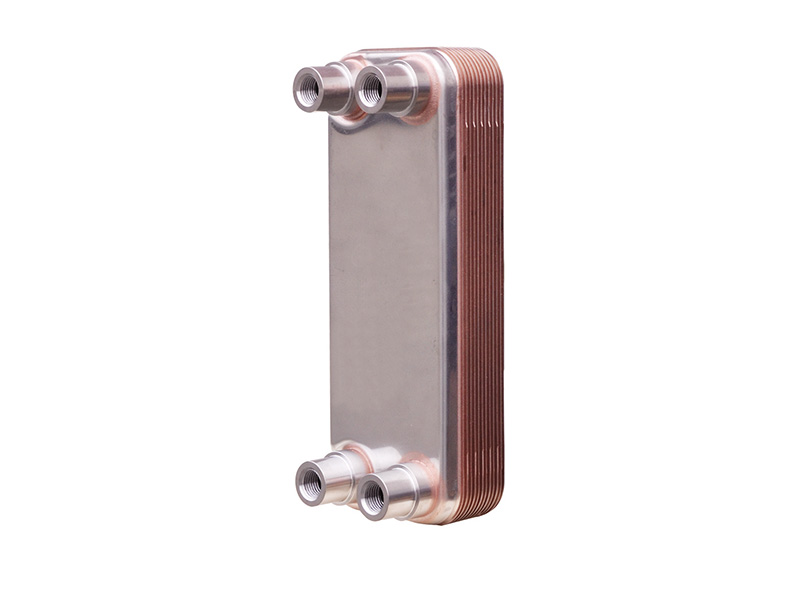
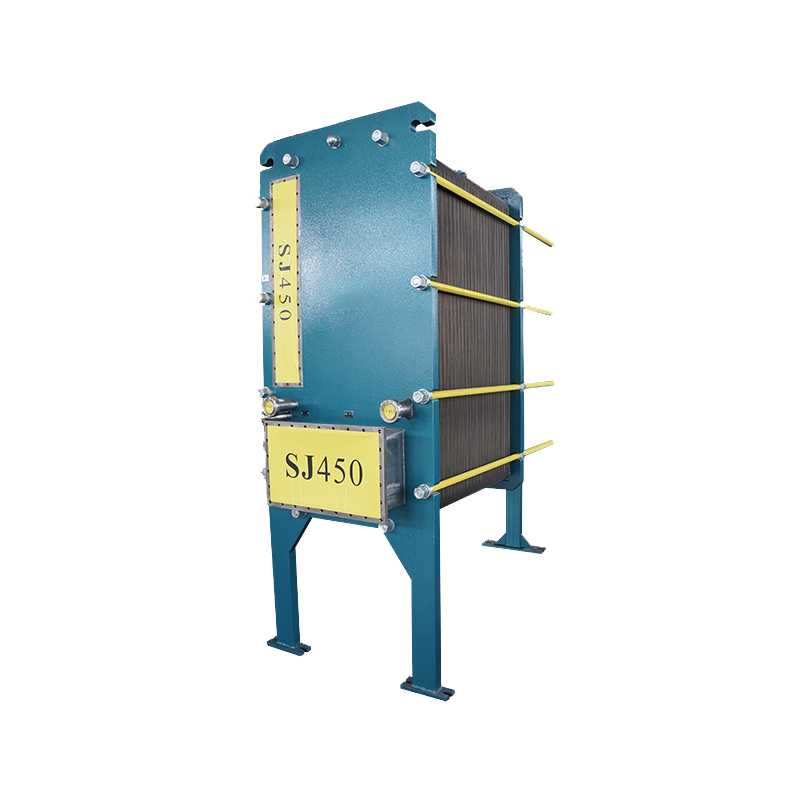
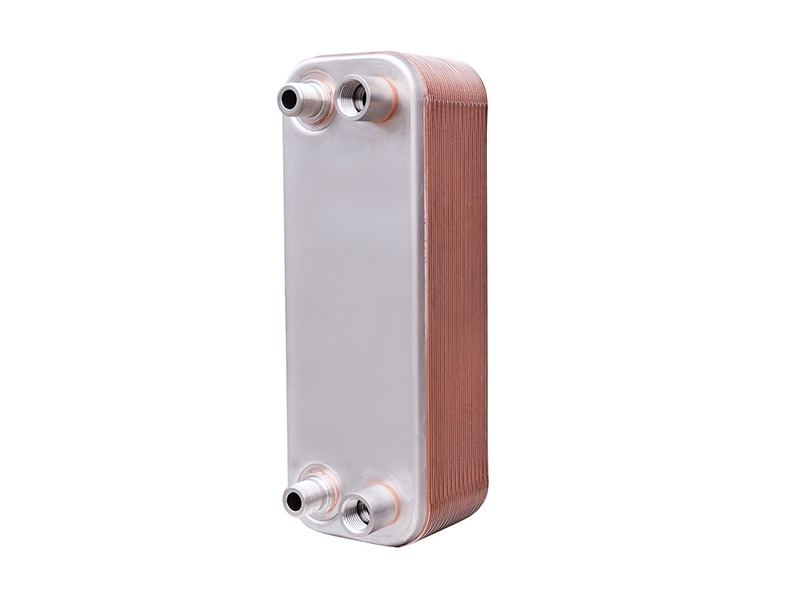
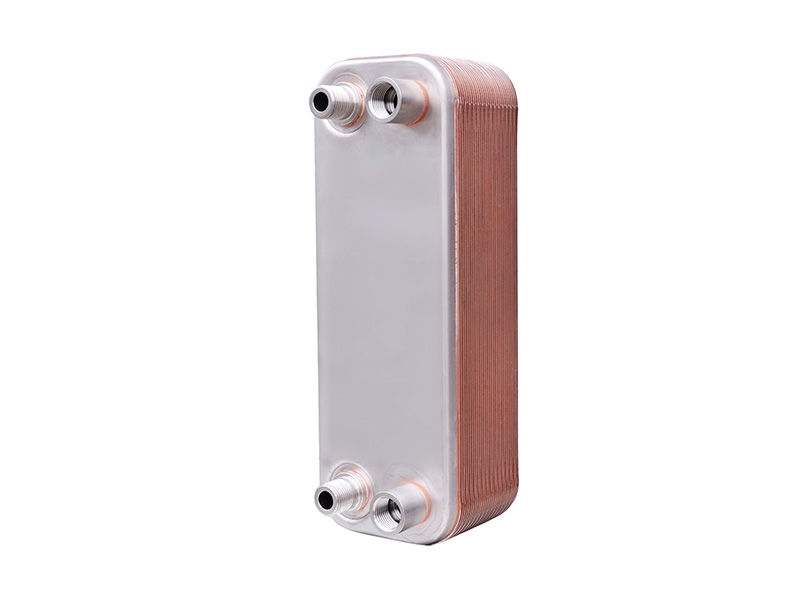
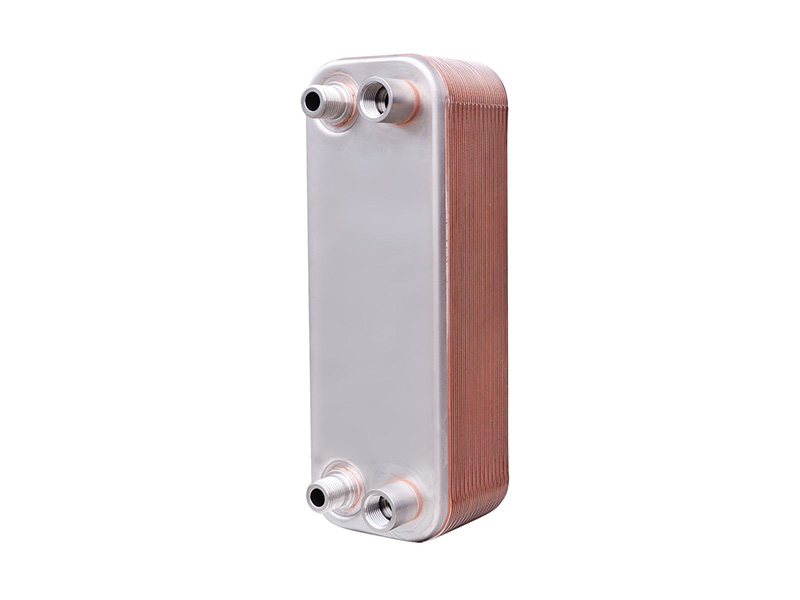
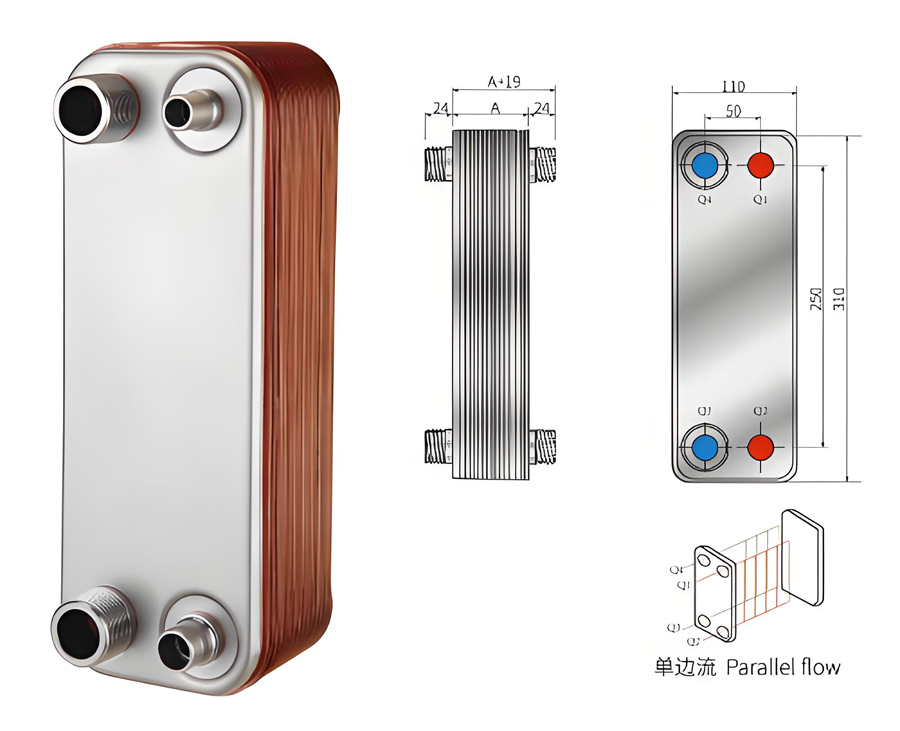
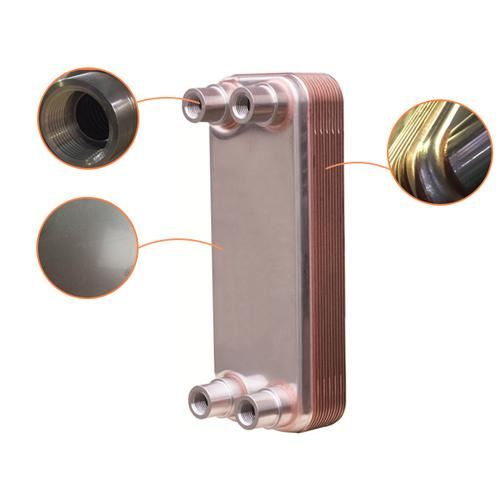
Brazed plate heat exchangers consist of a series of stainless steel plateseach stamped into specific corrugated patterns.

These precision-engineered corrugations (e.g., herringbone, dot-type) serve two key purposes:

  • Product Description
  • Application scenarios
  • Related Cases
  • FAQ
  • Basic structure of the brazed plate heat exchanger

    Brazed plate heat exchangers consist of a series of stainless steel plates—each stamped into specific corrugated patterns.
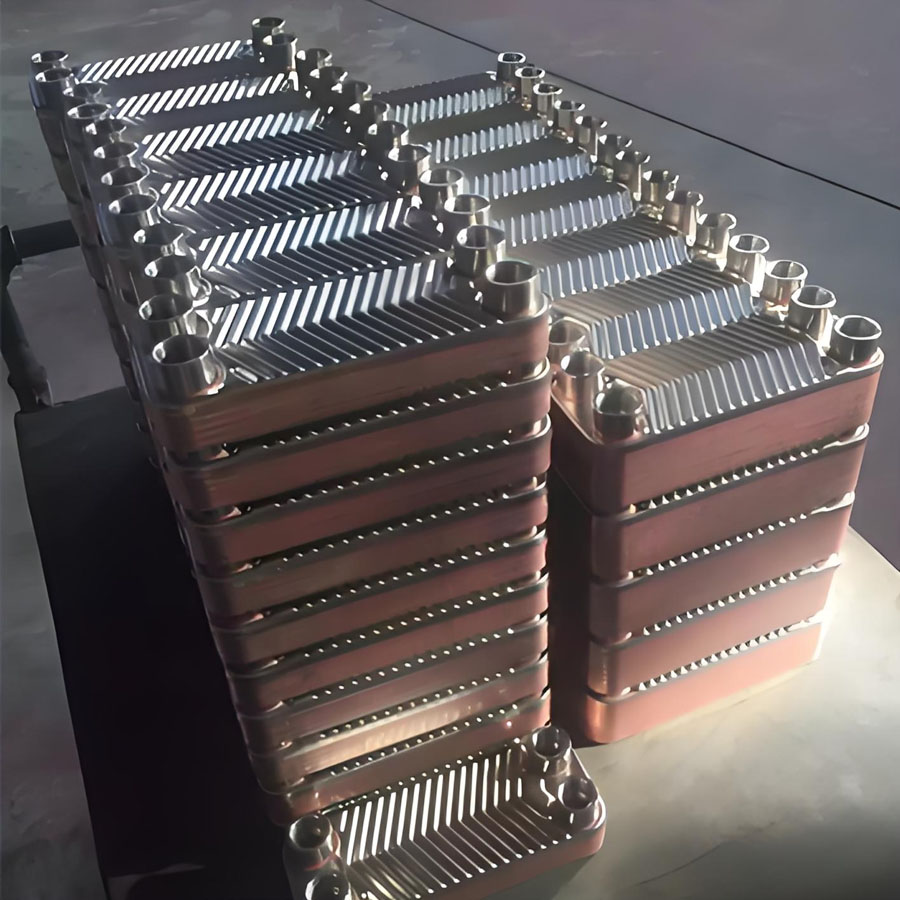
    These precision-engineered corrugations (e.g., herringbone, dot-type) serve two key purposes:
    Boost turbulence: Create intense fluid disturbance in flow channels, break the boundary layer, and significantly improve heat transfer efficiency.
    Withstand high pressure: Act as multiple support points to enhance the mechanical strength of the plate stack, enabling it to bear higher pressure.
    /uploadfile/202512/a0cd33bfd8434de.jpg
  • Working principle of brazed plate heat exchangers

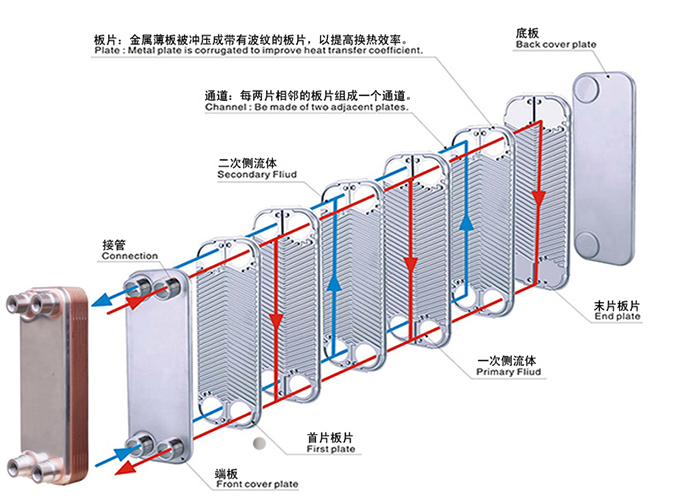
    Each pair of adjacent plates forms a flow channel.
    Holes are punched at the four corners of each plate. With a specialized design of plates and gaskets (in brazed plate models, gaskets are replaced by brazing filler metal), two fluids (e.g., cold and hot media) flow countercurrently in adjacent channels.
    One fluid enters through the top-right hole, flows through odd-numbered channels, and exits via the top-left hole. The other enters from the bottom-left, passes through even-numbered channels, and exits at the bottom-right—enabling highly efficient heat transfer.
    /uploadfile/202512/f6561aafe24091b.png
  • The core process of brazed plate heat exchangers

    In a vacuum brazing furnace, the plate stack is pressurized and heated above the melting point of the brazing filler (typically copper or nickel-based alloy).
    Molten filler uniformly fills all inter-plate contact points via capillary action. Upon cooling, it forms strong alloy welds, bonding the entire stack into a solid, inseparable core.
    /uploadfile/202512/f91c9bab92a733b.png
  • Main features of brazed plate heat exchangers

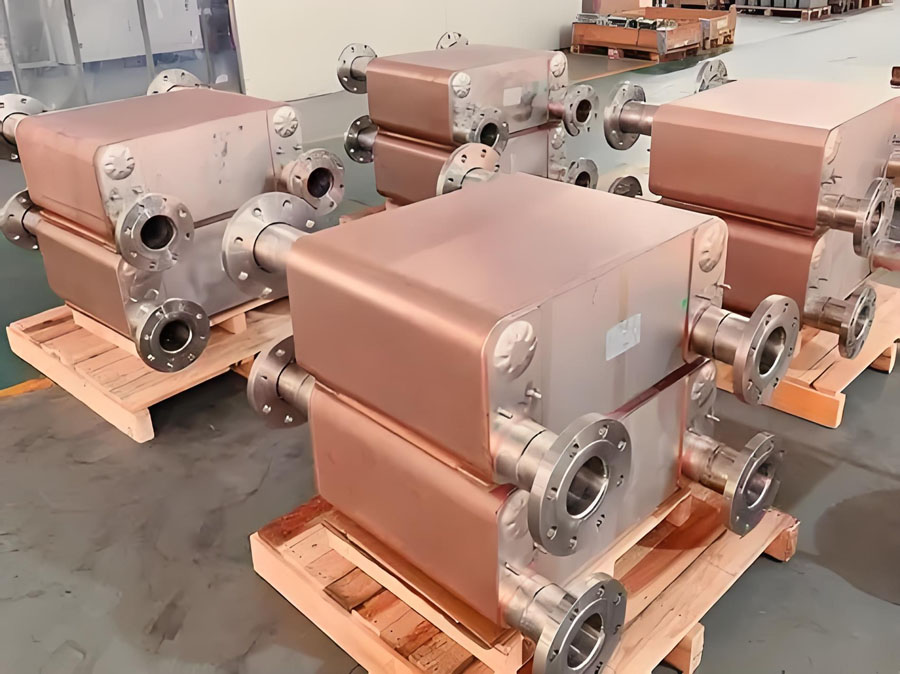
    High Efficiency & Compact Design: Exceptional heat transfer efficiency with a large heat transfer area in a small volume. Its volumetric heat transfer capacity is several times that of shell-and-tube heat exchangers.
    High Pressure Resistance: Integral brazed structure (no rubber gasket limitations) offers far higher pressure tolerance than removable plate heat exchangers—typically handling 30 bar or more.
    /uploadfile/202512/55000c48e6fd6eb.jpg
  • Robust & Lightweight: One-piece construction ensures excellent shock and mechanical impact resistance, paired with a lightweight design.
    Cost-Effective: Simple structure and fewer components deliver cost advantages in mass production.
    Versatile Medium Compatibility: Especially models with nickel-based brazing filler—suitable for more corrosive media or applications where copper ions are prohibited.
    /uploadfile/202512/d466bb14aaacdb0.jpg

Brazed plate heat exchangers are suitable for high-pressure and high-purity medium environments. Typical applications include refrigeration (such as air conditioning and heat pumps), petrochemicals, and the Marine industry.


Detachable plate heat exchangers are commonly found in industries such as food and beverage, HVAC, and pharmaceuticals, and are suitable for working conditions that require frequent cleaning or medium replacement.


Refrigeration field: Used as evaporators or condensers (such as heat exchange equipment in air conditioning and heat pump systems).


Industrial field: Used for cooling hydraulic oil, process heating or cooling.


In the field of new energy: It involves applications such as thermal management of fuel cells and cooling of electric vehicle batteries


Application scenarios

5
6
7
8

FAQ

  • Q1: What is a Brazed Plate Heat Exchanger (BPHE)?

    +

    A1: A Brazed Plate Heat Exchanger is a compact, efficient, and robust heat exchanger made by stacking thin, corrugated metal plates together and brazing them in a vacuum furnace. This process permanently fuses the plates at all contact points, creating a strong, single-block unit with no gaskets, bolts, or frames. It's designed for exceptional heat transfer in a minimal space.

  • Q2: What are the primary advantages of choosing a BPHE?

    +

    A2: Our brazed plate heat exchangers offer several key benefits:

    Extremely Compact & Lightweight: They offer one of the highest heat transfer efficiencies per unit volume, perfect for space-constrained applications.
    High Efficiency: The corrugated plates create intense turbulence, resulting in superior heat transfer coefficients and approach temperatures.
    Cost-Effective: Lower initial cost compared to other compact exchanger types and reduced installation costs due to their small size and simple connections.
    Robust & Reliable: The all-metal, brazed construction eliminates gaskets, preventing leakage and making them resistant to high pressures and temperatures.
    Low Maintenance: With no gaskets to replace or moving parts to maintain, BPHEs are virtually maintenance-free.

  • Q3: In which applications are Brazed Plate Heat Exchangers most commonly used?

    +

    A3: BPHEs are versatile and widely used in:
    HVAC&R: As evaporators, condensers, and heat exchangers in chillers, heat pumps, and refrigeration systems.
    Industrial Processes: For hydraulic and lube oil cooling, process water heating, and other duties in machinery.
    Domestic Hot Water: In combination boilers, instantaneous water heaters, and heat pump water heaters.
    Renewable Energy: In solar thermal systems and geothermal heat pumps.

  • Q4: What brazing materials do you use, and how do I choose?

    +

    A4: We primarily use two brazing materials:
    Copper (Cu): The most common choice. It offers excellent thermal conductivity and is suitable for most applications with water, glycols, oils, and refrigerants. It is not compatible with ammonia or certain corrosive media.
    Nickel (Ni): Used for applications involving ammonia (NH3) refrigeration, seawater, or other media that corrode copper. Nickel-brazed units offer superior corrosion resistance for harsh environments.

  • Q5: What are the pressure and temperature limits of your BPHEs?

    +

    A5: Our standard BPHEs are designed to handle high pressures, typically up to 45 bar (650 psi), and temperatures from -195°C to 225°C (-319°F to 437°F). The exact limits depend on the model, size, and brazing material. Please consult our technical datasheets for specific product ratings.

Hainan Yongtuo Win-Win International Trade Co., Ltd

Request A Free Quote/24H Services/Professional solutions

Welcome to contact us at any time. We will provide you with project plans, quotation requirements and cost assessment

We'd love to hear from you.

Please leave a message, we will get in touch with you as soon as possible!

  • *We respect your privacy. When you submit your contact information, we agree to only contact you in accordance with our Privacy Policy.

Contact Us

Inquire